Why Directors Should Understand Every Role on Set
Directing isn’t just about calling “action” and “cut.” A great director is the bridge between story and execution, and ultimately bringing your vision of the film to life.
You don’t need to be a master cinematographer, sound designer, editor, or costume designer. But you do need to know enough about each role to communicate your vision clearly and collaborate with your team effectively.
Why Directors Should Learn Every Role
When you’ve stepped into the shoes of different crew positions, even briefly, you gain more than just technical knowledge. You gain perspective.
As a director, I’ve made it a point to educate myself in every role on set. From operating a camera to holding a boom mic, from editing footage to scouting locations and sourcing costumes. I’ve tried to put myself in those positions. It’s not about becoming an expert in everything, it’s about gaining empathy for the process.
That experience gives you two valuable tools:
Respect for your crew. You understand the challenges, frustrations, and artistry of each job.
Clarity in your own role. You learn how to ask for what you need, and what expectations are realistic.
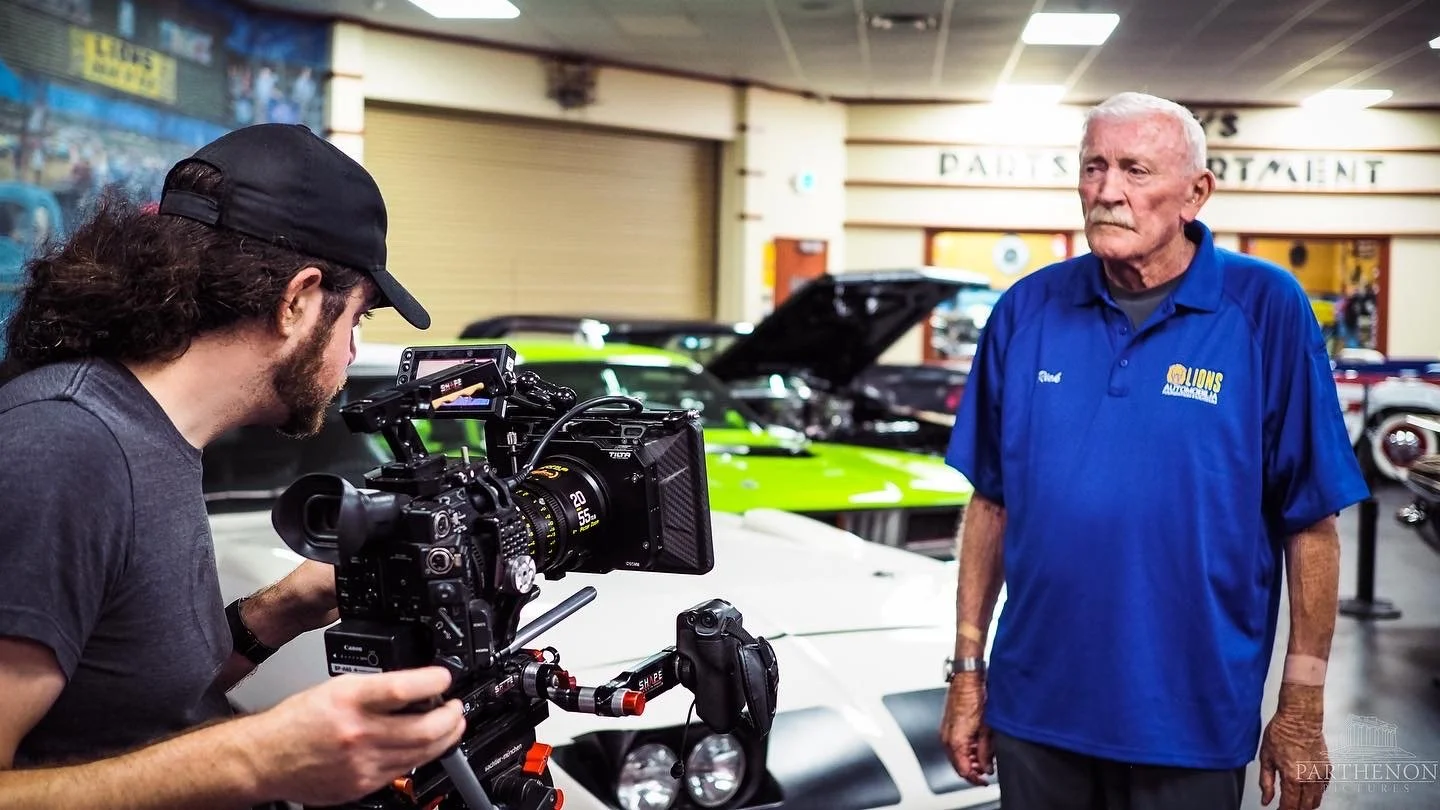
Knowing the basics of cinematography allows you to collaborate stronger.
Clear Communication = Better Collaboration
Film is a collaborative art form. When you understand what your crew does, you can explain your vision in a way that resonates. Instead of giving vague direction, you can talk in terms your cinematographer, editor, or costume designer understands. That doesn’t just save time, it builds trust.
Your vision will also get more defined. When developing your story you start thinking about the edit, or maybe the color pallet you defined would work perfect with a costume you can pitch.
Your team doesn’t want you to do their jobs for them, but they do want a leader who respects their craft and can speak their language.
Wearing All the Hats
There’s another advantage to learning every role: independence.
Not every project comes with a big budget or a full crew. When passion projects come along, and the money doesn’t, knowing the basics of cinematography, editing, or sound allows you to wear all the hats yourself. It’s humbling, but also empowering. You’re able to tell your story no matter what resources you have.
And even when the crew is there, your hands-on experience helps you set fair expectations and avoid asking for the impossible.
Final Thoughts
Directing is leadership, and the best leaders understand the people they lead. By learning every role on set, even at a basic level, you become a stronger communicator, a more respectful collaborator, and a more resourceful filmmaker.
At the end of the day, filmmaking isn’t just about vision. It’s about the people who help you bring that vision to life. The more you understand their work, the better your work will be.