The Challenges of Using AI in Film Production
Oof. I know, this is a touchy subject. I have been watching the development and evolution of Artificial intelligence as it began to sweep through the film industry. My colleagues have lost jobs, hell I have lost work because of AI.
Steven Spielberg said it best, “I don’t want AI making any creative decisions that I can’t make myself … I’m open to possible applications behind the scenes, in functions like budgeting or planning, but not in front of the camera right now.”
AI is spiraling out of control becoming a controversial topic across every industry. Some see it as the future of filmmaking, while others see it as a threat to creativity, jobs, and ethical guidelines.
I really resonate with Spielbergs quote. I agree, the creative decisions of our work can not be dictated by AI, but it is a tool and it should be implemented in your work.
It’s not black or white. I think the truth lies somewhere in between. AI isn’t here to replace filmmakers, it’s here to reshape how we collaborate with our tools. But before we can embrace it, we need to understand both the challenges and opportunities it brings to film production.
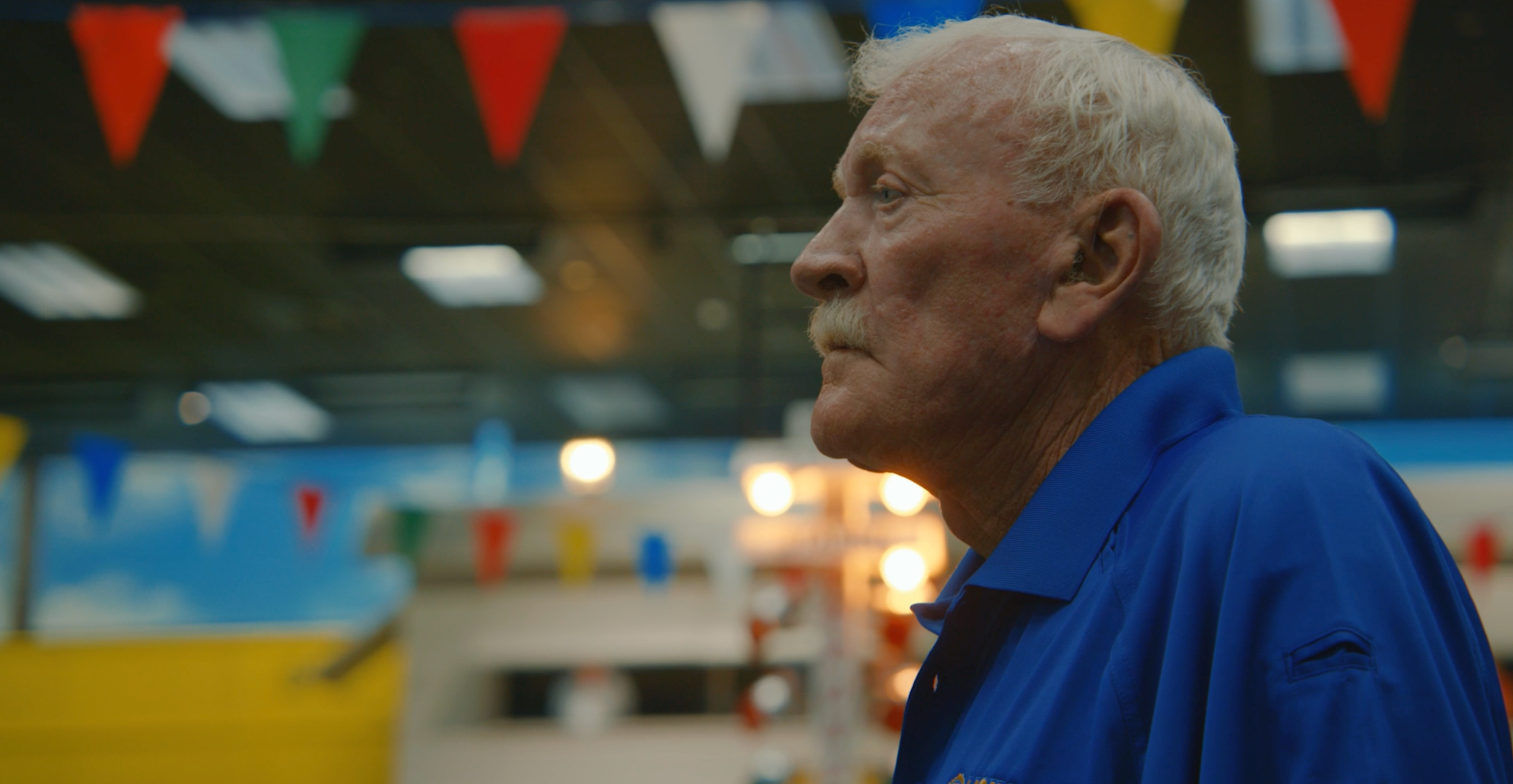
AI can’t replace real raw emotion.
The Ethical Concerns of AI in Filmmaking
I speak to my actors at length about AI. There is a fear of showing up on a job, and they are photographed at every angle, and their voice is replicated for future work while only getting paid for a one time project rate. No royalties, but your likeness is stolen.
At Parthenon Pictures we have even gone as far as updating our contract deal memos to protect our actors and give them the piece of mind of how we won’t capture their likeness and use it beyond the scope of what they agreed to.
Ultimately it comes down to trust. I want my actors and crew to trust me and Parthenon Pictures that we recognize the ethical concerns of AI.
1. Job Displacement
The biggest fear is that AI will replace human jobs. From screenwriting to visual effects, AI can now do tasks once handled by skilled professionals. This raises questions about the future of all positions on set and beyond.
2. Copyright and Ownership
AI models often learn from existing works. But who owns the output? Is it the filmmaker, the AI developer, or the original artists whose work trained the model? Until clearer legal frameworks exist, ownership will remain a gray area. Current laws are not keeping up with the spiral that we are seeing with AI, and I do worry it will be too little too late.
3. Authenticity and Trust
Film is built on authentic human stories. If AI generates dialogue, performances, or even entire characters, will audiences feel the same connection? I don’t think so, and audiences I hope agree with me. Authenticity is a core part of filmmaking, and over-reliance on AI risks diluting that.
How AI Can Be a Powerful Tool
While concerns are valid, it’s equally important to recognize AI’s potential to support filmmakers:
1. Streamlining Pre-Production
AI can help with tasks like script breakdowns, budgeting, and scheduling, giving filmmakers more bandwidth to focus on creative tasks.
2. Enhancing Visual Effects
AI is already improving VFX workflows by speeding up rotoscoping, compositing, and even generating realistic environments, tasks that used to take weeks can now be done in days, as long as an artist is behind those decisions, this tool makes their job more efficient.
3. Unlocking Creative Possibilities
AI can act as a creative partner. It can spark ideas, visualize concepts faster, and help filmmakers experiment without burning through budgets. Use it to take your ideas and organize your thoughts, something a lot of artist struggle doing.
I have to use AI. The reality is, if you don’t adapt you die. But I will use it with a compass of true north, making sure ethical lines are not crossed, and re-investing the budget savings back into the rates of our human crews.

In real life, you will experience “happy accidents”. Discoveries on set, can’t happen with AI.
Collaboration Is the Key
Just like the introduction of digital cameras or non-linear editing, AI is another evolution in filmmaking tools. It’s how we use it.
By collaborating with AI rather than fearing it, filmmakers can preserve the heart of storytelling while embracing new efficiencies and creative opportunities. AI should be seen as a co-worker: it can suggest, assist, and enhance, but the director still sets the vision.
How many times have you sat working on your script and you’re stuck on a characters’ name? I would spend way too long doing research on demographic names, symbolic meanings, ultimately not writing the actual script. Now I use AI to spit out a ton of name options, explaining the meaning behind them and I make the final creative decision, blending the answers that were output to me, and making an emotional choice.
It is a tool I use. I don’t let it answer my questions.
Final Thoughts
I firmly believe that filmmaking can not be an art form unless the tools that you use are available to all. Like a painter, all they need is canvas and paint- something mostly anyone can afford. Filmmaking has been gate-kept by expensive equipment, tools to use to make your project. Now you can get cinematic quality with the phone in your pocket, and I believe that AI is taking us one step closer, to filmmaking being an art-form anyone can express themselves in.
AI is challenging the film industry in ways we’re only now able to understand. There are serious ethical and legal questions that need answers, but there are also incredible opportunities to make production more efficient and creative.
It won’t replace the passion, vision, and humanity of a filmmaker.
The filmmakers who succeed in this new era will be the ones who are willing to experiment, stay ethical, and remember that technology is only as powerful as the people who use it.