Why Pivoting on Set Isn’t a Failure (It’s Where the Magic Happens)
There’s this idea in filmmaking that if you have to pivot, something went wrong. That the plan failed. I don’t see it that way at all. In fact, some of my favorite moments as a filmmaker have come from being forced to pivot.
I love being backed into a corner.
Whether I’m writing a script, standing on set, or sitting in the edit bay, that pressure forces you to look at the problem differently. It pushes you to think outside the box, challenge your instincts, and sometimes stumble into something better than what you originally planned.
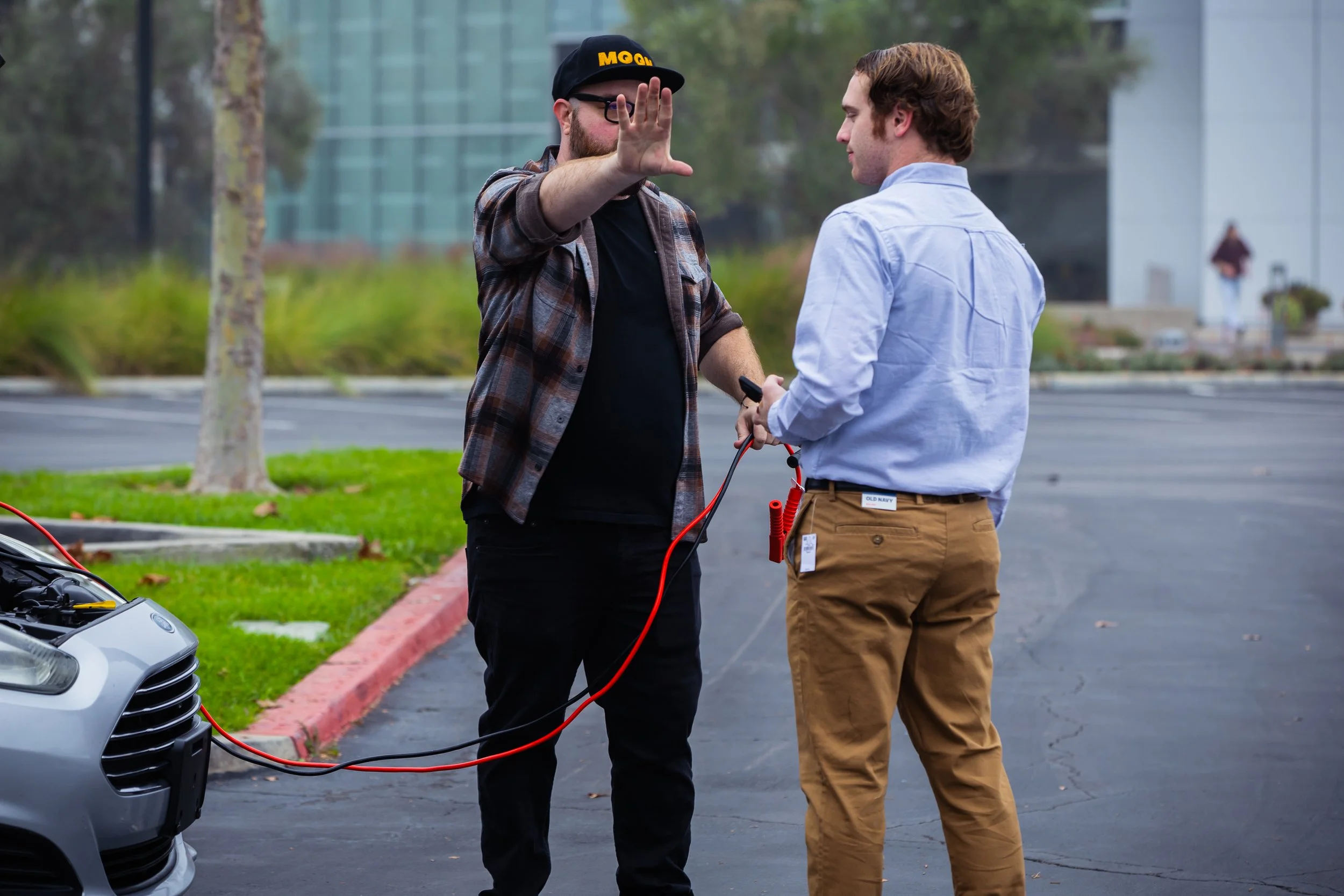
Great directing is great decision making.
Pivoting in Screenwriting
Writing is where pivoting should happen early and often.
I usually start scripts with more characters than I’ll end up with. On the first draft, they all feel necessary. But once I step back and really examine the story, I start asking hard questions: Do these characters actually push the narrative forward? Are their motivations distinct?
One of my favorite pivots is combining characters.
More often than not, I’ll realize that two characters are serving similar functions. When you merge them, something interesting happens, the single character becomes more complex. You keep the same narrative goals, but the story becomes leaner, sharper, and more focused.
Pivoting in writing isn’t about cutting ideas, it’s about refining them until the story feels intentional.
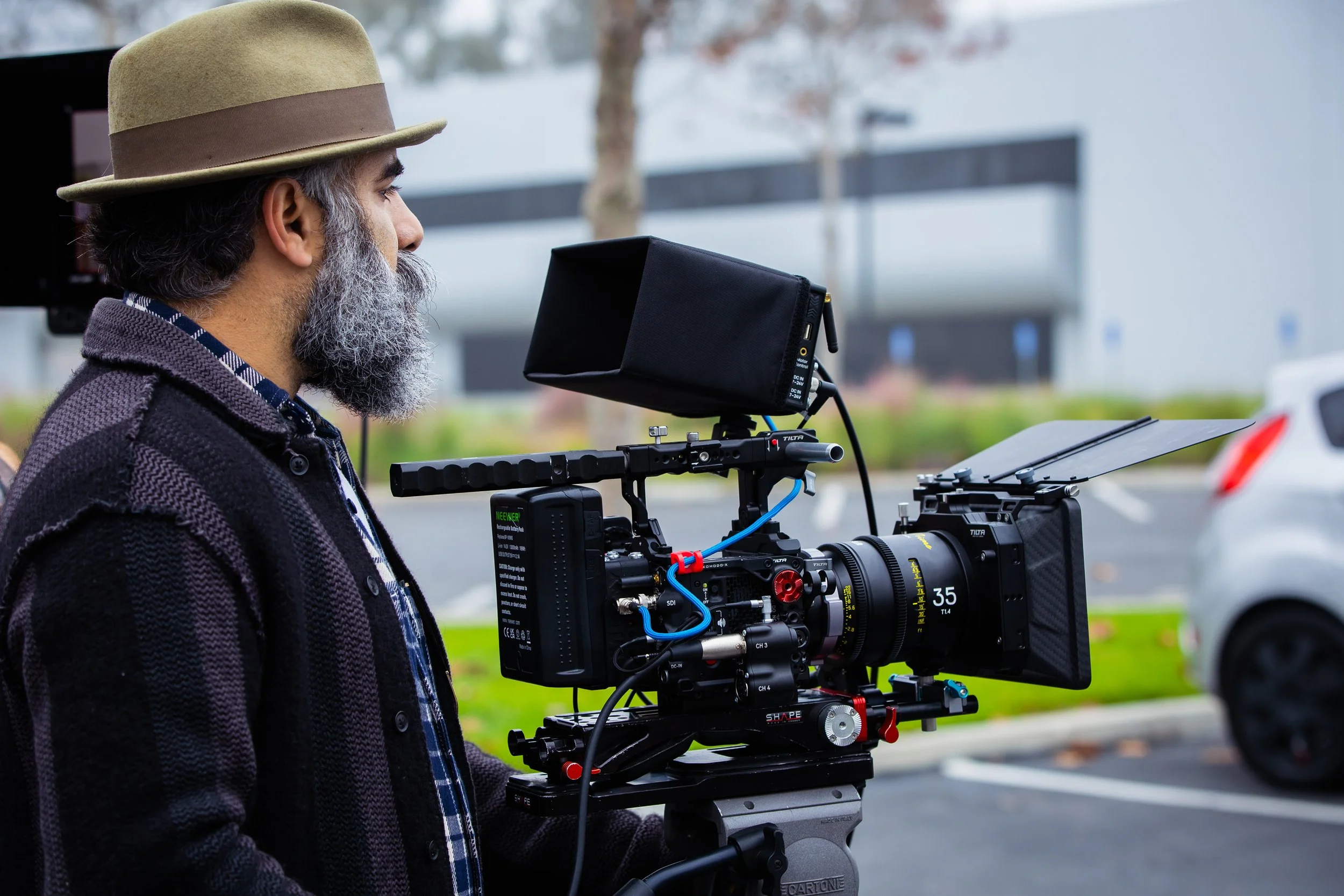
Your script will be tested on set. Be willing to pivot without sacrificing your vision.
Pivoting on Set
This is where pivots happen the most, and where people panic the fastest.
Something will go wrong. Always. A location doesn’t work the way you imagined. You’re running behind and won’t hit your entire shot list. An actor shows up late.
You don’t get the luxury of overthinking these moments. You have to make a decision right then and there.
But here’s the thing: some of those “problems” turn into happy accidents.
I’ve had scenes completely change because an actor arrived late, forcing us to rethink how we approached the moment. Instead of coverage we planned, we leaned into smaller, quieter beats. The result? Something more authentic than what was originally on the page.
Being nimble and open on set doesn’t mean abandoning your vision, it means trusting your instincts and your collaborators enough to adjust when reality pushes back.
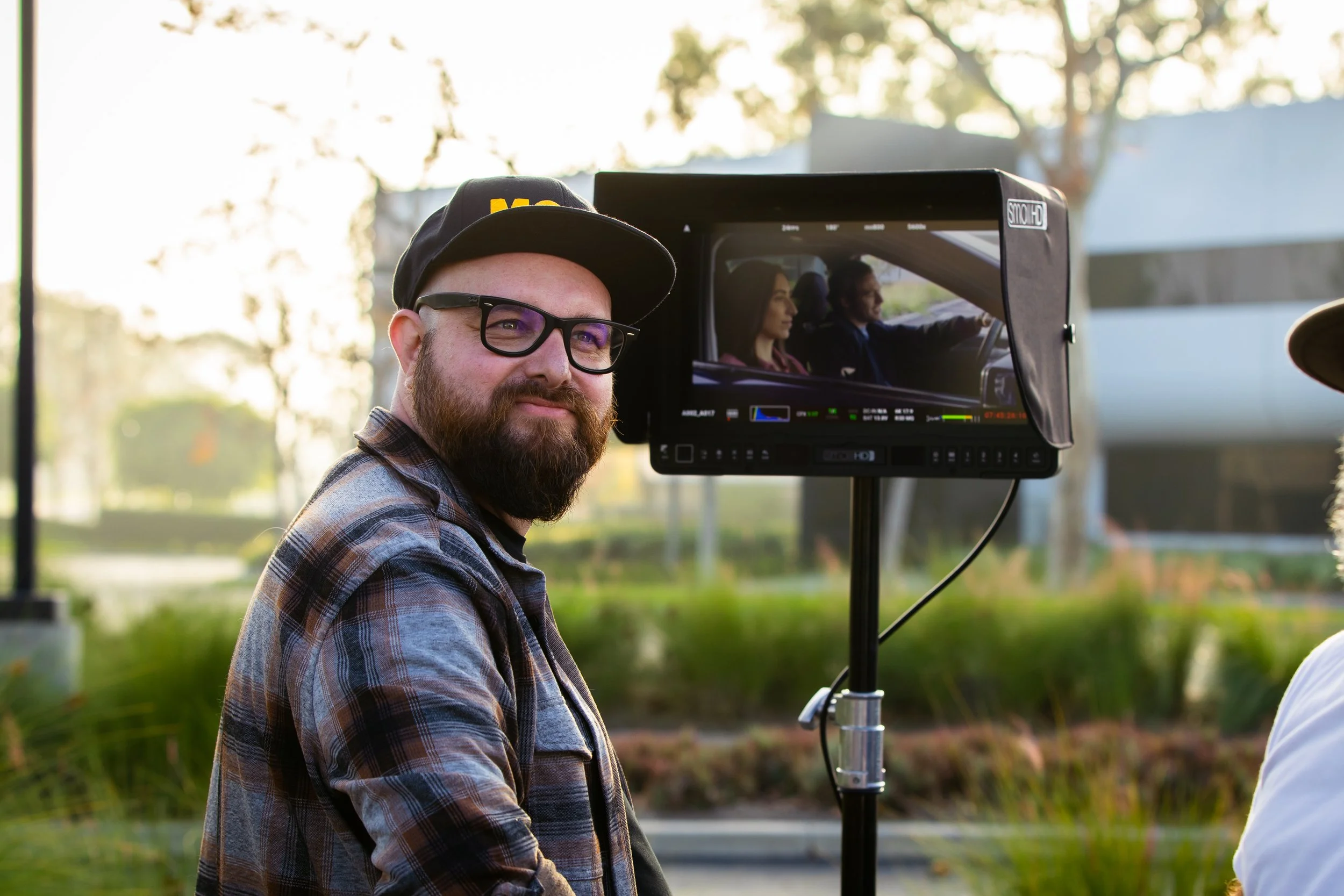
A photo of me about to have a nervous breakdown when something is not going according to plan.
Pivoting in Post-Production
Post is the most freeing place to pivot.
You have all the pieces. Now it’s about shaping emotion.
I recently edited a 15-second commercial spot where our planned structure simply didn’t fit the required TRT. What we shot worked, but it was too long. So I had to pivot.
I cut a few lines of dialogue. Removed a couple shots. And suddenly, the piece came alive.
The comedy between the two actors became sharper. The pacing tightened. The gag landed harder. The performance was always there, it just needed a sharp knife to trim fat.
That pivot didn’t hurt the client’s goal. It elevated it.
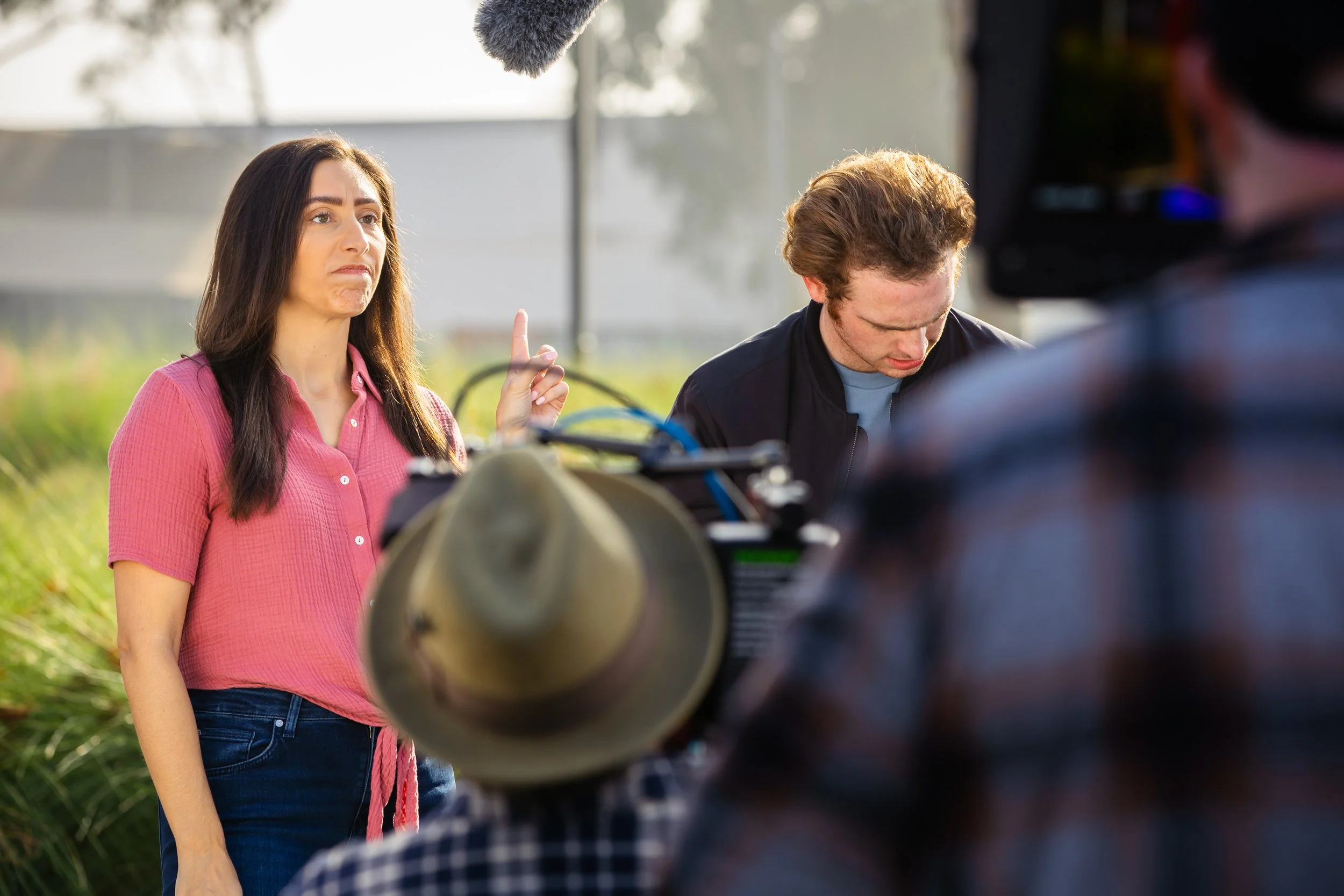
Finding those moments in the edit bay is what makes you believe in movie magic.
Final Thoughts
Pivots aren’t a sign of failure. They’re a sign that you’re engaged, present, and responding to the reality of the moment.
Some of the best creative decisions I’ve ever made weren’t planned, they were discovered. And those discoveries only happen when you stop fighting the pivot and start leaning into it.
So don’t fear being backed into a corner. That’s usually where the most interesting work begins.