The Myth of the “Perfect” First Draft (And Why It’s Holding You Back)
There’s a dangerous lie a lot of writers and filmmakers believe: that the first draft needs to be good.
Worse, that it needs to be great.
That belief is why so many scripts sit half-finished for months… or years. Not because the ideas aren’t strong, but because the pressure to “get it right” kills momentum before the work even has a chance to exist.
This is happening RIGHT NOW to me. I am currently developing three feature films, all in various stages of scripting. Some I am working with co-writers, others I am taking the brunt myself. Let me tell you, I need to practice what I am about to preach.
Don’t beat yourself up. Writing is hard.
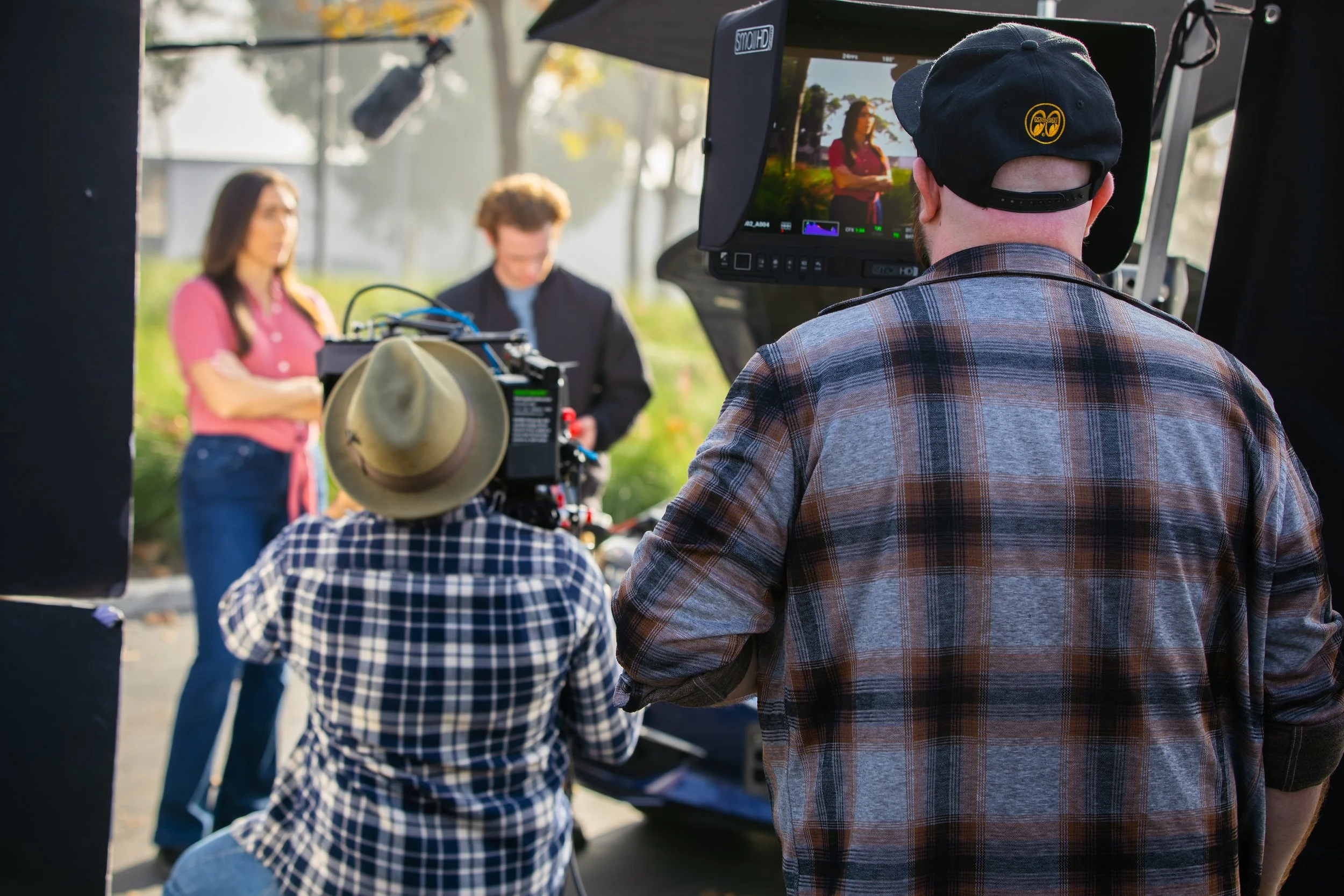
Everyone wants to get to this moment, executing the script on set. But trust the process.
1. Just Get It on the Page
If you’re trying to write the next Citizen Kane on your first pass, you’re already setting yourself up to fail.
Dan Harmon famously talks about this idea often, saying that you’re a better editor than you are a writer. That insight changed how I approach writing completely. The first draft isn’t about brilliance, it’s about existence. It’s you telling yourself the story.
I see writers and even myself, stall because they want every line to land, every scene to feel meaningful, every character to be iconic. But the truth is, you can’t refine something that doesn’t exist yet. The magic doesn’t happen while you’re staring at a blinking cursor, it happens when you start rewriting.
Write the messy version. Write the version you’re embarrassed by. Get the structure down, even if the dialogue is clunky and the pacing is off. Because once it’s on the page, you can finally do what you’re actually good at: judging, shaping, cutting, and improving.
2. Let the Script Breathe
One of the most important (and hardest) parts of the writing process is knowing when to walk away.
Some of my biggest breakthroughs haven’t happened while I played a romanticized struggling writer in a dimly lit room. They happened weeks later, after living life, having conversations, interacting with people, working on other projects. Letting a script marinate in the background gives you distance, and distance gives you clarity.
When you come back with fresh eyes, you’re no longer precious about the work. You can see what’s working, what isn’t, and what’s been trying too hard. Your perspective changes because you have changed. *The same thing goes for editing your footage. Just step back.
Writing isn’t just about what you put out on the page, it’s about what you absorb in life. The best rewrites often come from experiences that had nothing to do with the script at all.
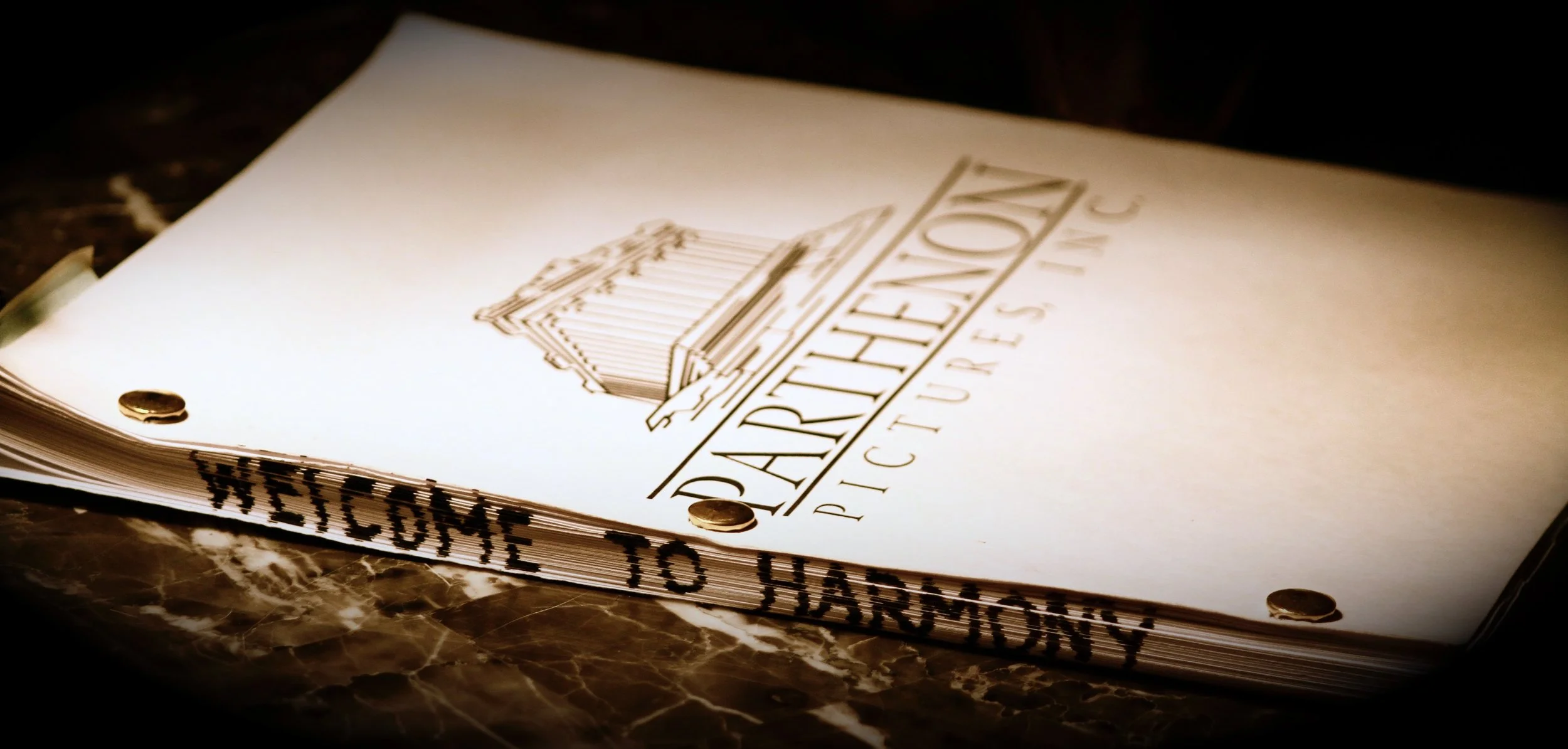
Here is a script that has been written and re-written over a decade.
3. Watch Movies. Be Inspired — Not Intimidated
You hear stories all the time about legendary filmmakers knocking out groundbreaking work in one go. And while those stories exist, they’re the exception and deffinetly not the rule.
For every “written in a weekend” myth, there are hundreds of incredible films that went through countless drafts, notes, collaborations, and painful rewrites. Don’t let those rare stories convince you that struggle means failure.
Watch movies. Study them. Get inspired by how scenes are structured, how characters evolve, how tension is built. Don’t steal but absorb and be inspired. Let great work remind you what’s possible, not what you’re failing to do.
The truth is, rewriting is the process. That’s where stories find their voice. That’s where characters deepen. That’s where good ideas become great ones.
A perfect first draft doesn’t exist.
But a finished one does. Once you finish that first draft- Congrats! You are now a feature film writer. You already won.