The Short Films I Didn’t Realize I’d Already Made
For a long time, I told myself I wasn’t ready to make a feature film.
Not because I didn’t have ideas. Not because I didn’t know how to run a set. But because I didn’t have that short film, the festival darling. The one you’re “supposed” to make before you earn the right to attempt something bigger.
That belief held me back for years, and definitely didn’t help with my imposter syndrome.
Then a conversation with my longtime collaborator and cinematographer, Saman Aledavoud, completely shifted my perspective of how I saw my own work.
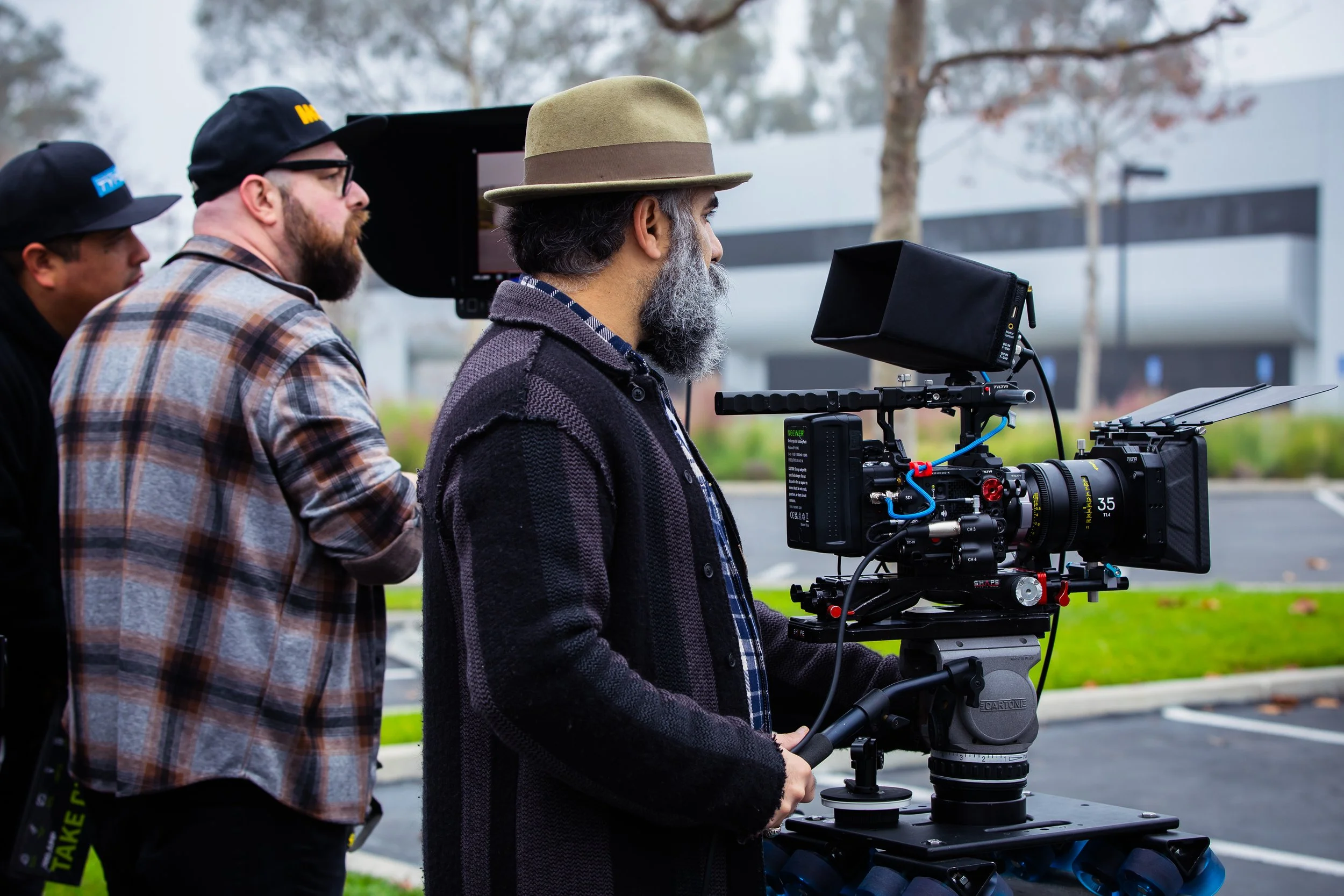
Relationships with your crew are so important, I promise it will make your work substantially better.
The Perspective Shift I Needed
At some point, I said out loud that I felt like I needed to make a short film before investing in a feature. Without hesitation, Saman pushed back.
He said, “You already have. You’ve made dozens.”
At first, I didn’t fully get it. Then it clicked. I’ve been making 30–60 second short films for most of my career.
Narrative commercials.
I had never framed them that way in my own head, but the process is identical:
Script development
Pre-Production
Directing talent on set
Dialing in emotional arcs
Making decisions under pressure
Post-production shaping and refinement
The runtime is different. The responsibility isn’t.
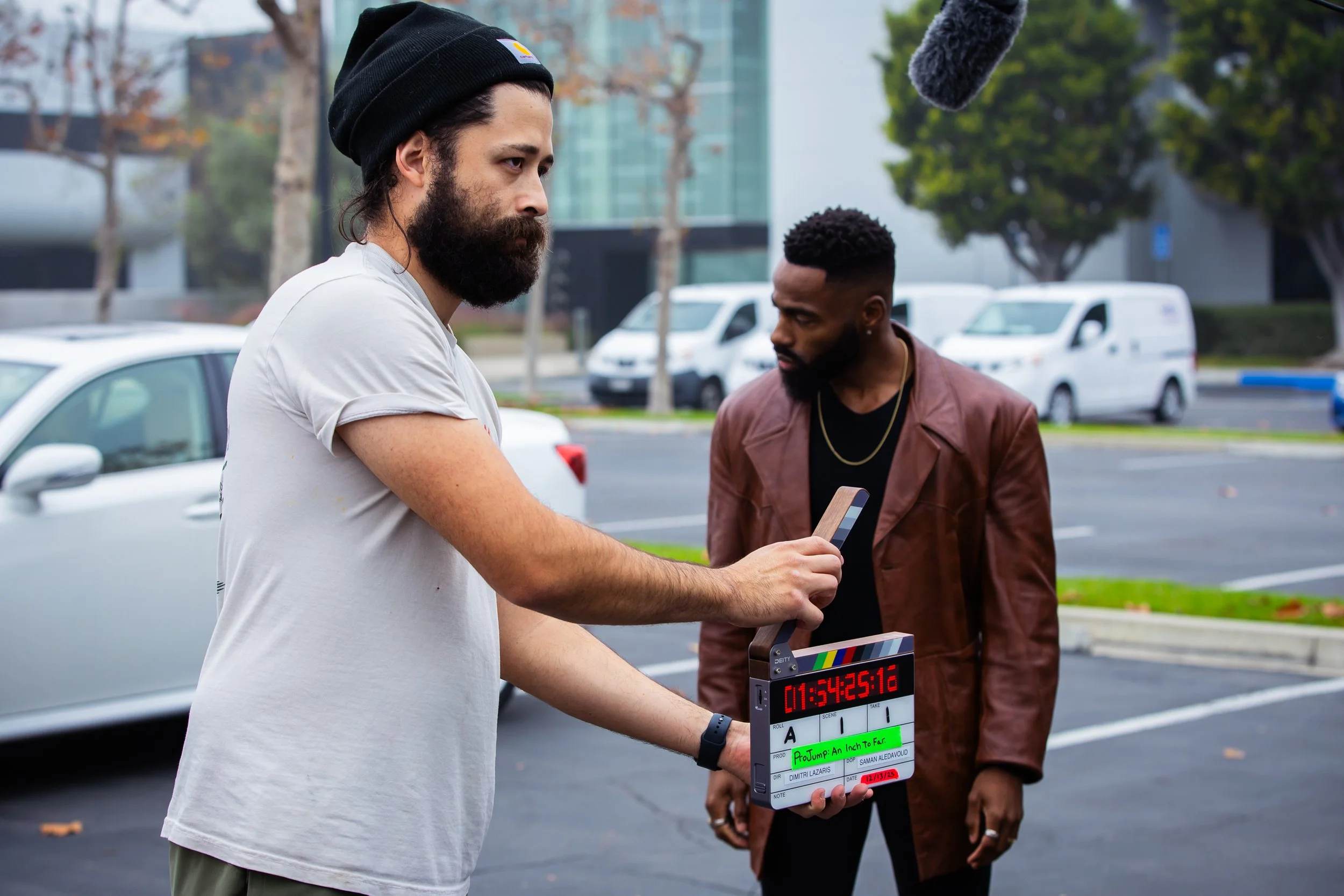
This BTS shot could easily be from a narrative film instead of a commercial.
Directing Is Directing
On set, the work doesn’t change just because a brand logo is involved.
I’m still directing performances. Still chasing moments. Still adjusting blocking, tone, and pacing. Still collaborating with other voices while protecting the heart of the story.
In commercial work, that collaboration happens with clients and brands. In a feature, it happens with financiers, producers, and partners. The muscle you are flexing are the same.
You fight for the vision. You listen. You pivot when you need to. You solve problems in real time. I realized I’d been doing feature-level problem solving for years, just in smaller narrative containers.
On top of that, a short film is a proof that you as a filmmaker can see a project through from development to presentation. I realized that a lot of the films timelines are longer than a traditionally funded project. Having highly produced commercials with brands shows that you can not only execute a project, but can do it on budget, and mainly on TIME, since they usually have pretty clear hardship dates.
Studios, and financiers want to see that in a filmmaker.
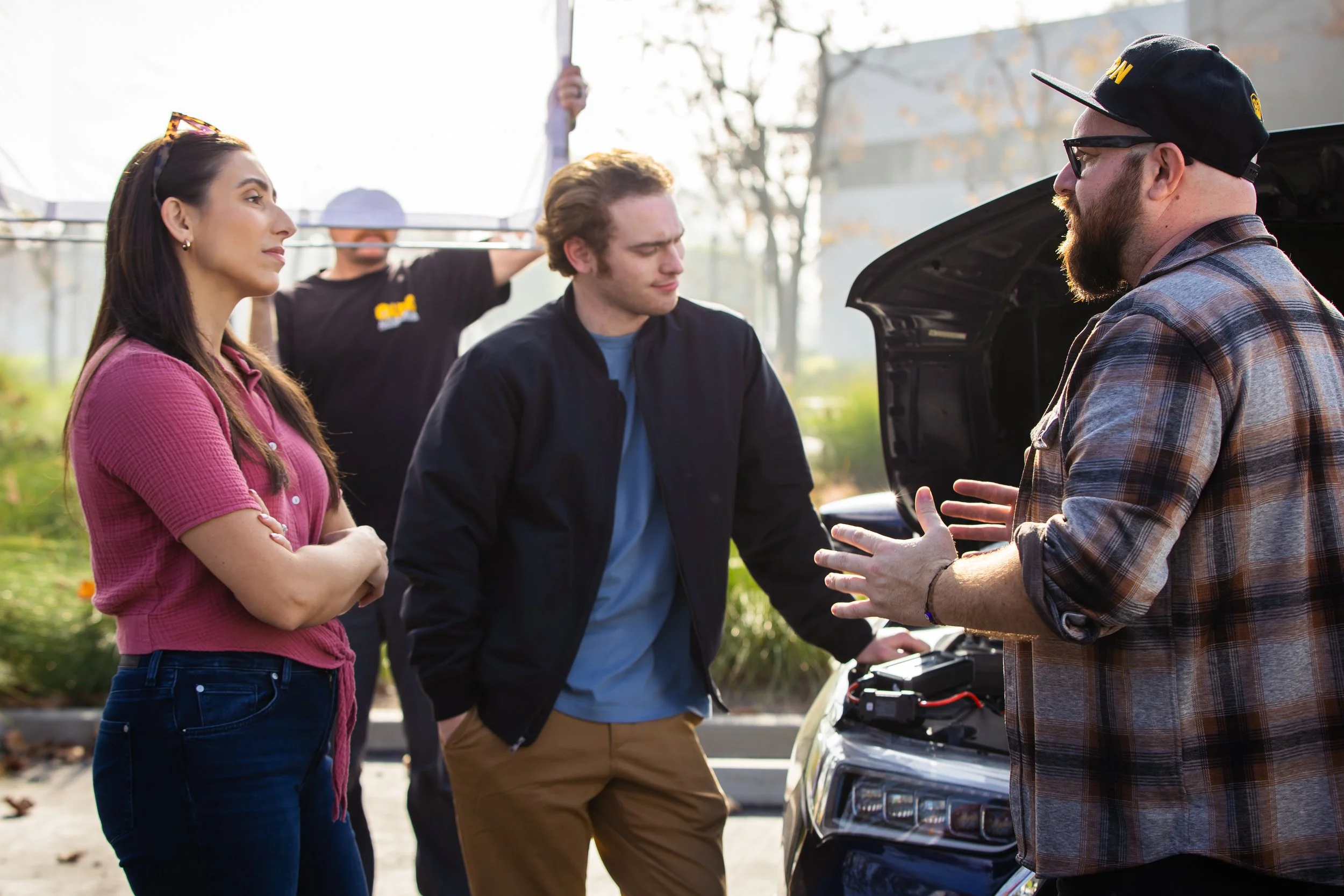
Respect the process.
Letting Go of the “Festival Short” Myth
Somewhere along the way, I convinced myself that without a festival-recognized short film, I hadn’t earned my seat at the table.
What I actually had was a large body of award-winning work that proved the same things:
I can direct
I can collaborate
I can tell a story under constraints
I can deliver emotionally resonant work
The validation was already there. I just wasn’t allowing myself to see it. That mindset was the real obstacle, not experience, not talent, not readiness.
Moving Forward
That perspective shift gave me something I didn’t realize I needed: permission.
Permission to stop waiting. To trust the work I’ve already done, and to finally pursue the feature film that had been sitting in the background of my career for far too long.
Sometimes the thing holding you back isn’t a lack of experience, it’s the story you’re telling yourself about what “counts.” No more lies.
All it takes is the right collaborator to help you see what’s been right in front of you the entire time.