Confronting Fear in Filmmaking (And Why It Might Be Your Greatest Tool)
Fear shows up constantly in filmmaking.
Before you write.
Before you step on set.
Before you hit export.
For a long time, I thought fear was something to overcome or eliminate. Now I see it differently. Fear isn’t the enemy, it’s information. And if you learn how to listen to it, you can channel it into better work.
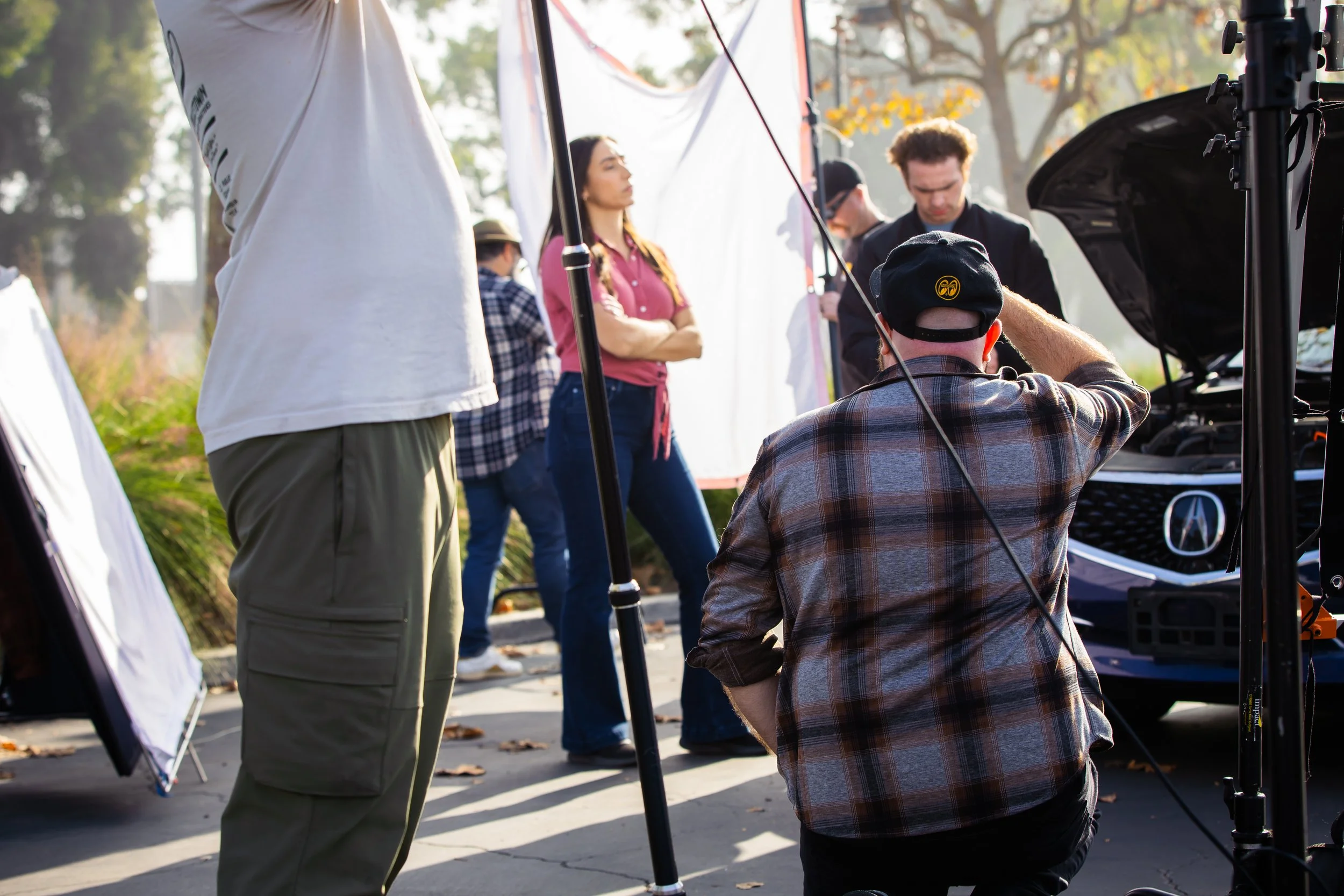
Use your fear as a tool.
Fear Is Usually a Sign You Care
The moments I’ve been the most scared in my career weren’t moments of inexperience, they were moments of growth.
Writing a script that feels too personal.
Directing a commercial that has real stakes.
Deciding whether I’m “ready” to pursue a feature film.
Fear shows up when the work matters. If you weren’t scared at all, it would probably mean you’re playing it safe. The mistake is waiting for the fear to disappear before moving forward. It won’t. You move with it.
Channeling Fear Into PreparatioN
Fear becomes dangerous when it’s unfocused. That’s when it spirals into procrastination, overthinking, or paralysis. The way out is preparation.
When I’m scared about a shoot, I prep harder
When I’m scared about a script, I write the bad draft anyway
When I’m scared about a pivot, I lean into planning so I can adapt quickly
Preparation doesn’t remove fear, it gives it direction. It turns anxiety into action.
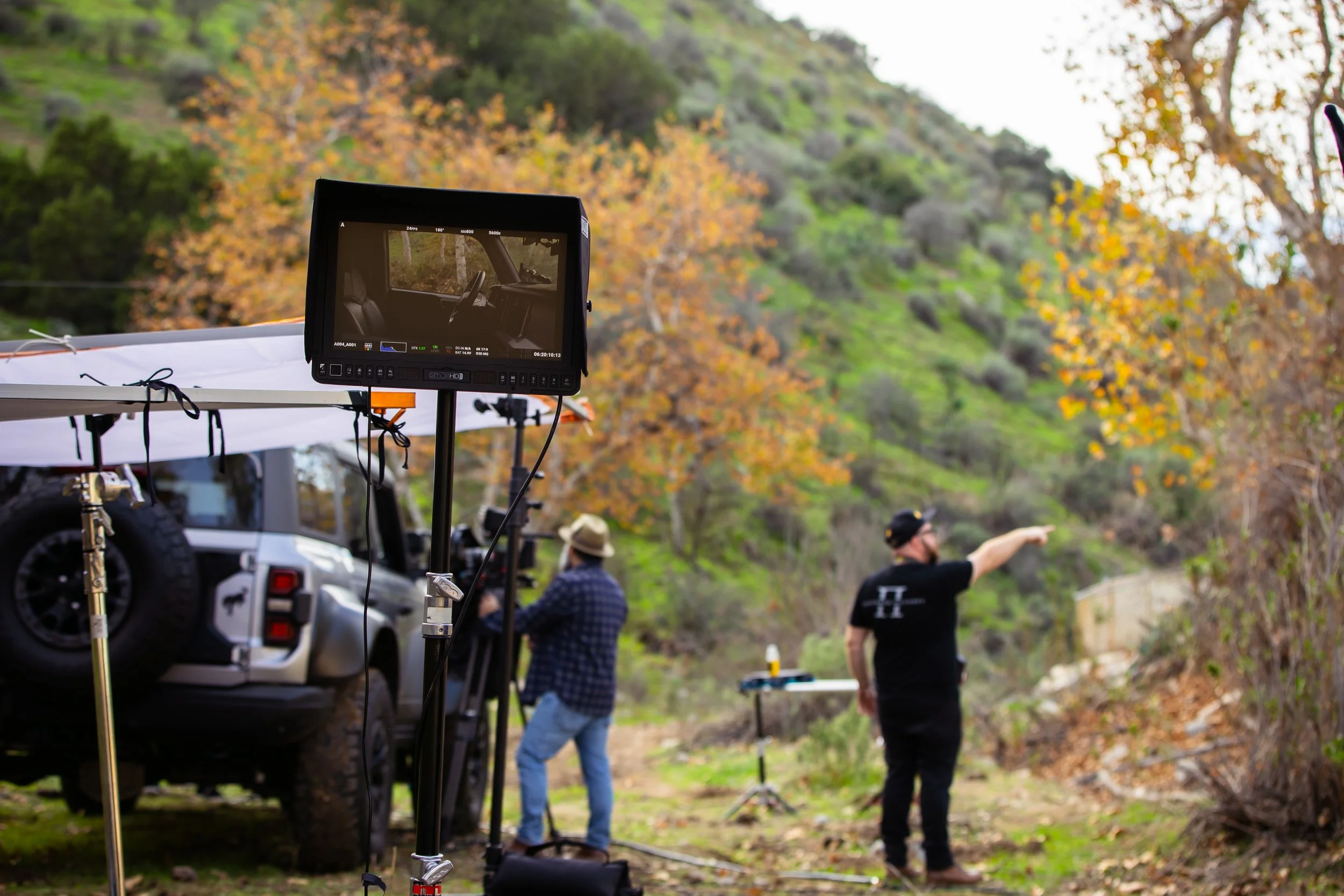
Keep your standards high, and it will become second nature.
Fear Forces Pivots (And Pivots Create Growth)
Some of the best creative decisions I’ve made came from fear-inducing moments:
Running out of time on set
Losing a shot
Realizing the script wasn’t working
Cutting dialogue in post
Being backed into a corner forces you to see the story differently. Fear strips away comfort and reveals what actually matters.
That’s where happy accidents live.
Fear in Writing, Directing, and Editing
In writing, fear tells you when you’re trying too hard to be perfect. That’s usually your cue to just get it on the page.
In directing, fear reminds you that things will go wrong, and that you’re capable of handling it. Being nimble is a skill, not a weakness.
In post, fear shows up when you realize the cut isn’t landing. That’s not failure, that’s the moment you start shaping the film into what it needs to be.
Every phase has its own fear. Each one is an invitation to refine.
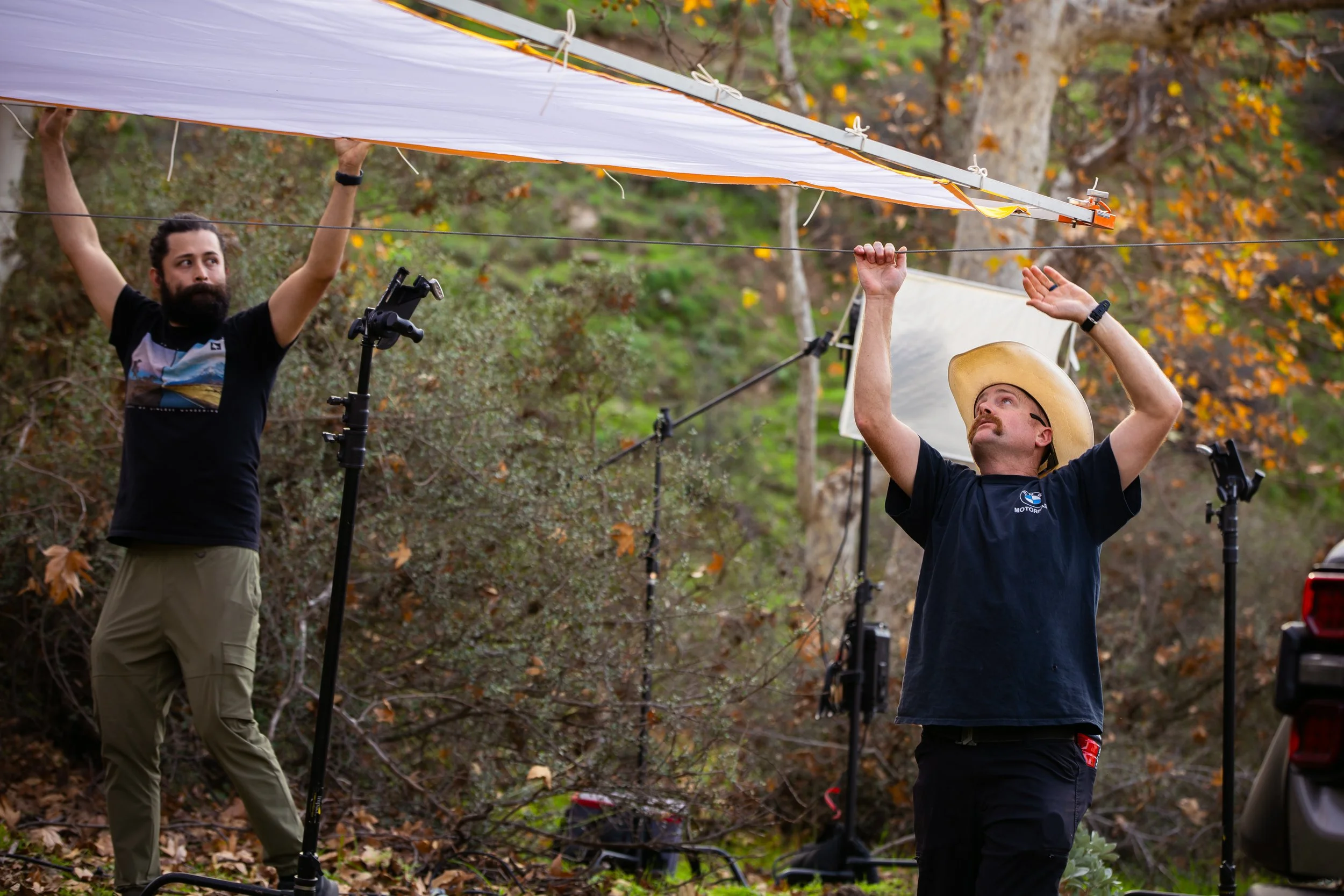
You’re not alone! Trust in your crew.
Fear and the Feature Film Question
For years, fear told me I wasn’t ready to make a feature. I thought I needed one more short film. One more proof point. One more permission slip.
What I eventually realized, through collaboration and perspective, was that I’d been making short films my entire career through narrative commercials. The fear wasn’t about readiness. It was about self-trust.
Fear didn’t mean stop. It meant this matters.
Using Fear as Fuel
Fear doesn’t disappear when you start working on larger and larger productions, it just changes shape. The goal isn’t to eliminate it. The goal is to stop letting it make decisions for you.
When you channel fear into:
Preparation
Collaboration
Rewriting
Pivoting
…it becomes momentum instead of resistance.
Fear means you’re standing at the edge of something meaningful. The work doesn’t get easier, you just get better at walking forward anyway.
And that’s filmmaking.