How To “Drive” Your Narrative Forward
One of the most common issues I see in scripts, and even in finished films, isn’t bad dialogue or weak visuals. It’s momentum. Scenes that exist, but don’t push. Moments that feel nice, but don’t move anything forward.
Story isn’t about what happens. It’s about why it happens next.
Whether I’m writing, directing a commercial, or cutting a piece in post, I’m constantly asking the same question: Is this driving the narrative forward?
If the answer is no, it doesn’t matter how good it looks.
Stakes Are the Engine
Every scene needs stakes. Not explosions or life-or-death consequences, emotional stakes. Something has to be gained or lost.
If a scene ends exactly where it began, you need to ask why it exists at all. Stakes don’t have to be loud, but they do have to be clear. The audience should always understand what the protagonist risks by failing, or what changes if they succeed.
When stakes flatten, the story stalls.
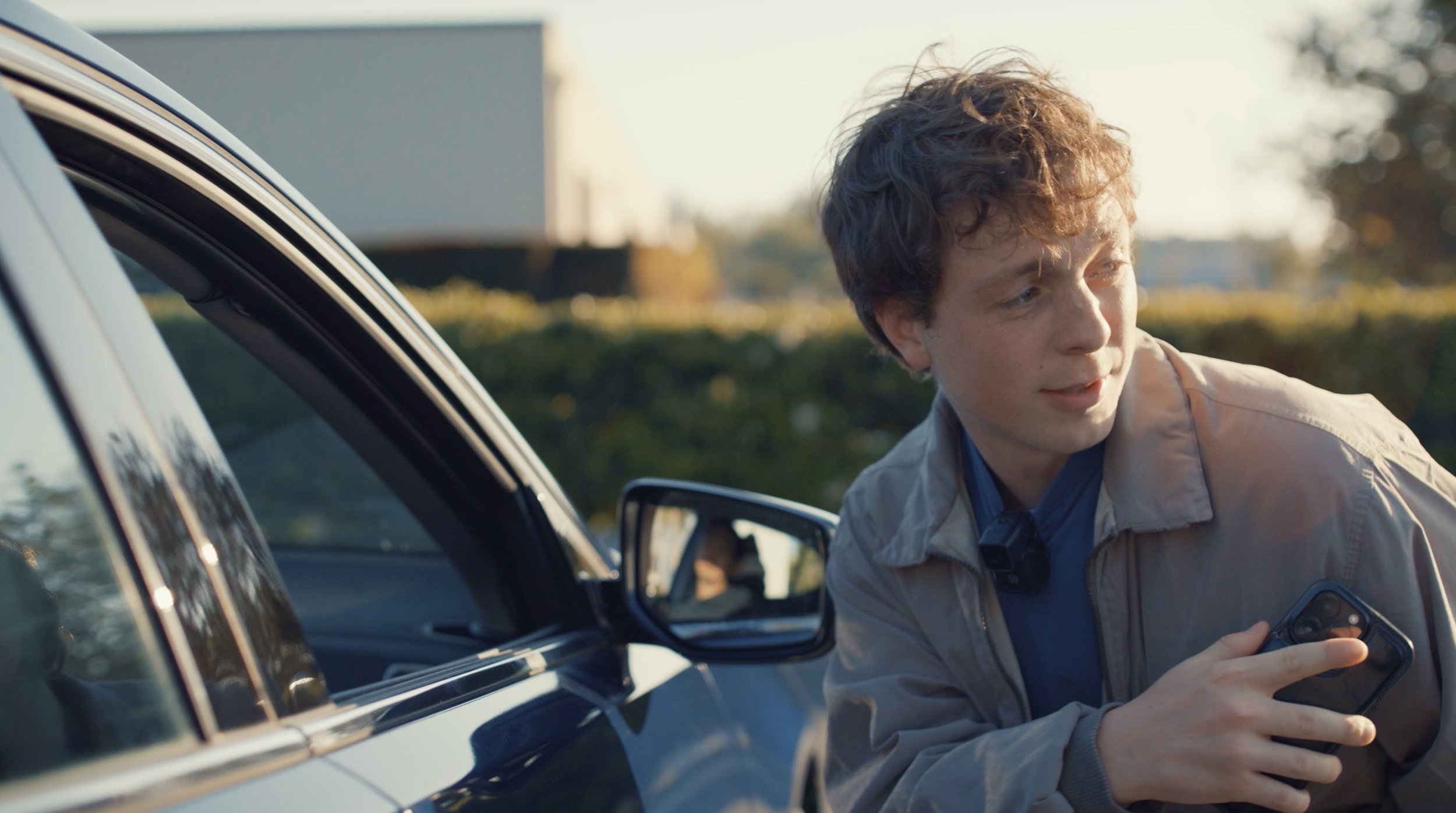
Emotional stakes = Interesting moments.
Characters Should Be Complicated (Not Likeable)
I’m far more interested in flawed characters than polished ones.
Real people contradict themselves. They make bad decisions for understandable reasons. They say one thing and want another. That tension is where story lives.
If your characters are static, if they don’t challenge themselves or get challenged by the world around them, the narrative has nowhere to go. Complexity creates friction. Friction creates movement.
And movement is story.
Want vs. Need
This is something I constantly return to.
Your protagonist is chasing a want. That’s what they think they need. But the story is really about the need, the thing they’re avoiding, denying, or blind to.
Every scene should be pushing them closer to that realization, whether they know it or not.
If a moment doesn’t challenge their want, complicate their path, or force them to confront their need, even indirectly, it’s probably dead weight.

Before you start writing, know your characters want and need.
Every Scene Is a Decision
On the page, on set, and in the edit, I treat every scene like a decision point:
Does this reveal something new?
Does it raise the stakes?
Does it complicate the character’s path?
Does it force movement?
If a scene only exists to explain, decorate, or fill time, it’s usually the first thing that gets cut, and it should be.
This is just as true in a 30-second commercial as it is in a feature film. The runtime doesn’t excuse narrative drift.
Narrative Momentum Is Built Through Discipline
Driving a story forward isn’t about doing more, it’s about doing less, better.
It’s about cutting dialogue that explains too much.
It’s about merging characters to sharpen intention.
It’s about pivoting when a scene isn’t working instead of forcing it.
Narrative clarity doesn’t happen by accident. It’s the result of constantly asking hard questions and being willing to let go of moments you personally like for the sake of the story.

Whatever genre you are working on, these lessons matter.
Final Thought
If your story feels stuck, it’s usually because the protagonist is comfortable, or the script is.
Make them uncomfortable. Complicate their choices. Force them forward even when they resist.
Because story isn’t about watching someone exist.
It’s about watching them change.