My Process for Casting Actors (And What I Wish More Actors Knew)
Casting is one of the most crucial parts of the filmmaking process. Long before the camera rolls, before the lights go up, and before anyone hits “record,” the entire tone of your film is shaped by who steps into each role. And for me, the process always starts in the same place:
It Begins on the Page
Before I even think about auditions, I have to understand the character inside and out.
Not on a surface level, deeply.
Who are they? What do they want? What is their energy, their rhythm, their humor, their pain?
If you don’t know your character, there’s no casting process in the world that can save you. You can’t search for something you haven’t defined. Once I know who I’m looking for, then I start the hunt.
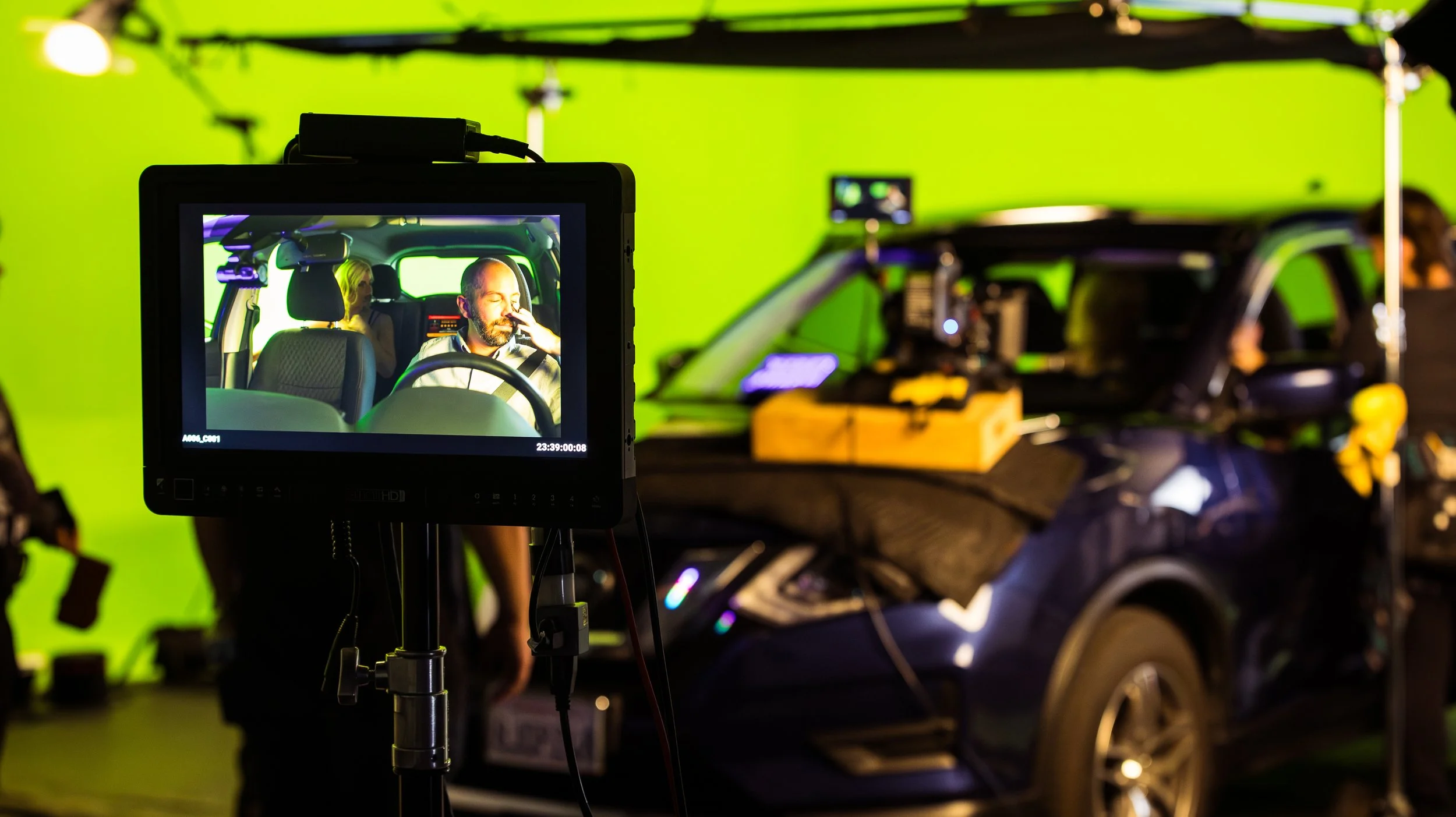
Translating a character to a performance is truly an artform.
Finding Talent: My Go-To Casting Platforms
For non-union work, I primarily use:
LA Casting
Backstage
These platforms give me a wide range of actors, from seasoned professionals to brand-new talent. And while I’d love to comb through every submission…
I can’t. There simply aren’t enough hours in the day.
Which brings me to something actors don’t always want to hear:
Headshots Matter… A Lot
I wish they didn’t matter as much.
I wish I had the time to thoughtfully open every submission, check every reel, and give everyone a fair shake.
But here’s the truth:
Your headshot is the first impression, and often the deciding factor for whether I click.
A high-quality headshot stops me. A poorly lit, outdated, or casual one gets skipped.
I’m not judging you, I’m assessing professionalism and whether you fit the visual tone of the character. Your headshot is your handshake, make it count.

Actors, listen up! You might even get lucky and get new headshots while on set!
Please Include Contact Information (Especially a Phone Number)
This one blows my mind.
If you’re submitting to a casting, especially for a commercial, answer the phone.
We’re often on tight deadlines. Sometimes I need to know today if you’re available, interested, and able to work the shoot date. Email is great, but if I have to wait two days for a reply I might have already moved on.
And if you don’t include a phone number? You’re automatically at a disadvantage.
My Self-Tape Philosophy
For roles without dialogue, I keep the audition incredibly simple.
I’ll ask actors to:
Answer a basic question
Tell me about their weekend
Introduce themselves naturally
Why? Because I’m not testing performance, I’m testing professionalism.
I want to see if you can:
Follow directions
Show your current look
Present yourself confidently
It’s not complicated. A clean, honest, natural self-tape tells me more than an over-produced performance ever could.
For Dialogue Roles
If the character has lines, I’ll send sides. But I am not looking for perfection.
Actors: Please stop stressing about getting everything right.
I want to see:
How you interpret the role
Your instincts
Your honesty
Your ability to collaborate
If you can take direction during the callback, that’s the real win. I’m not hiring a final performance, I’m hiring someone I can build a performance with.

The difference between landing a roll and losing out can be as simple as failing to reveal your own authenticity.
Always Have Backups
This is a golden rule of filmmaking: Have at least two backups for every role.
Actors get sick. Clients change direction. Shoot dates move. Lives happen.
When you have backups ready, you don’t panic- you pivot.
Final Thoughts
Casting isn’t just finding an actor who looks the part.
It’s about finding a collaborator, someone who lifts the character off the page and brings them to life.
My process isn’t perfect, but it’s built on experience, communication, and respect for the people in front of the camera. If you’re a filmmaker trying to streamline your casting, or an actor wanting to stand out, I hope this gives you a window into what actually happens behind the scenes.